
After CABO Solana was placed, the project moved from build completion into real-world liveability.
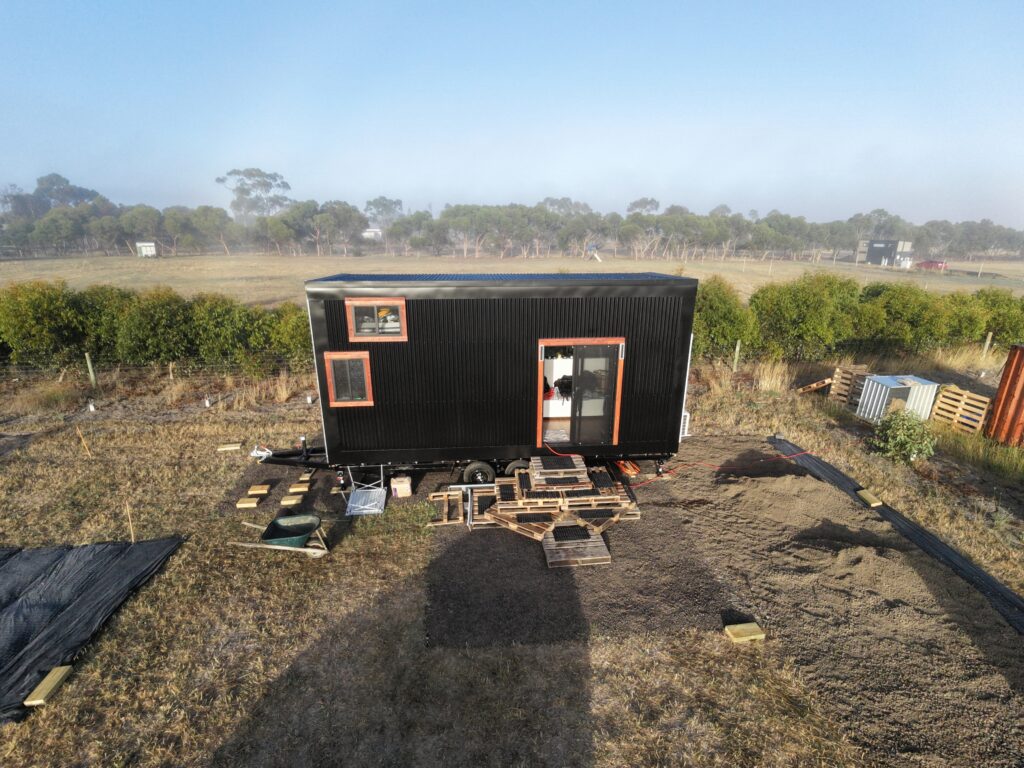
The tiny home was on site, but the surrounding area still needed to become functional. Power, grey water, drainage, safe access, stairs, outdoor entry space, and early site systems all had to be solved before the home could operate properly as a lived-in proof point.
This stage records the first round of after-placement work that connected CABO Solana to daily use and helped shape the next stage: CABO Haven.
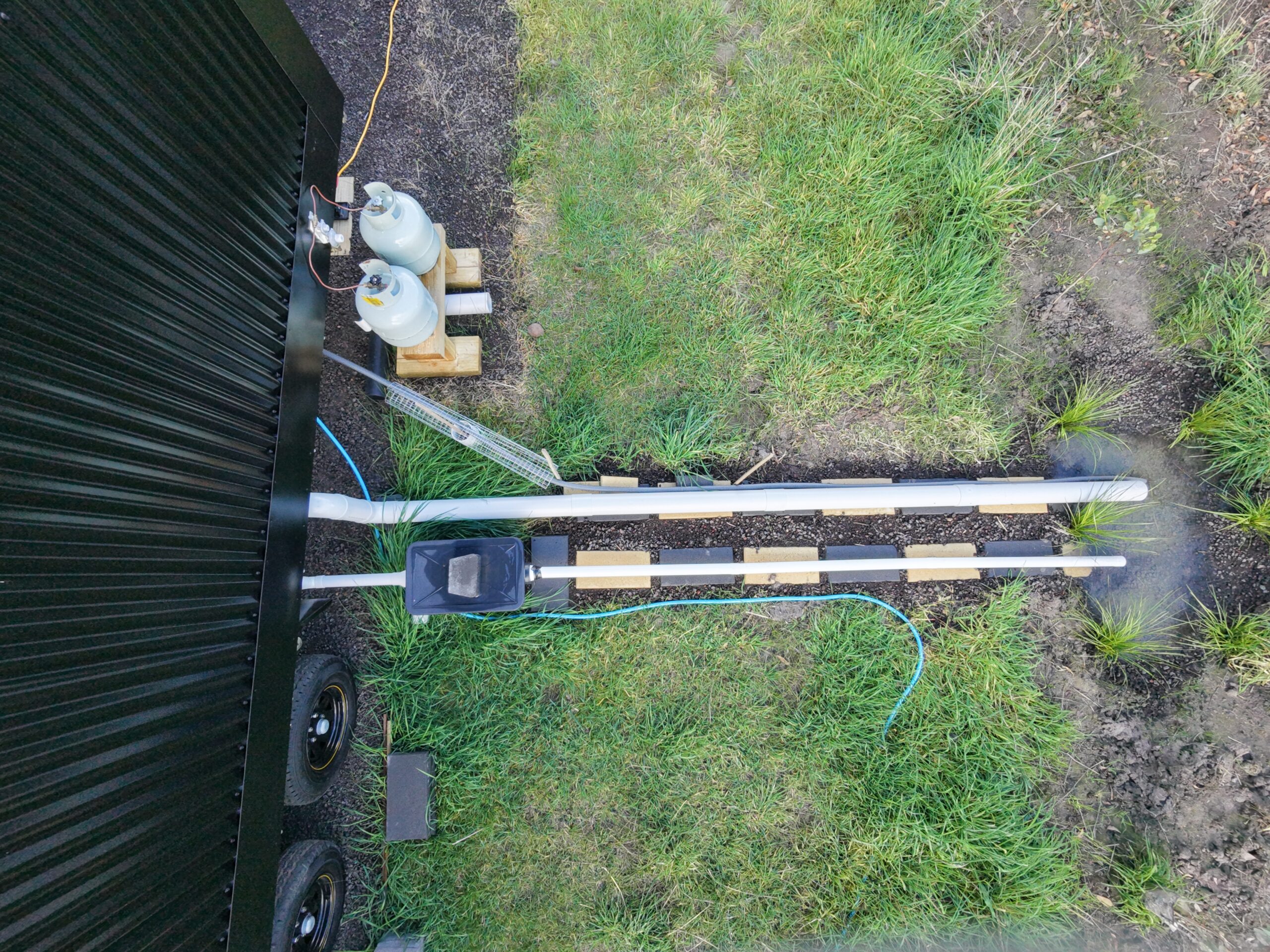
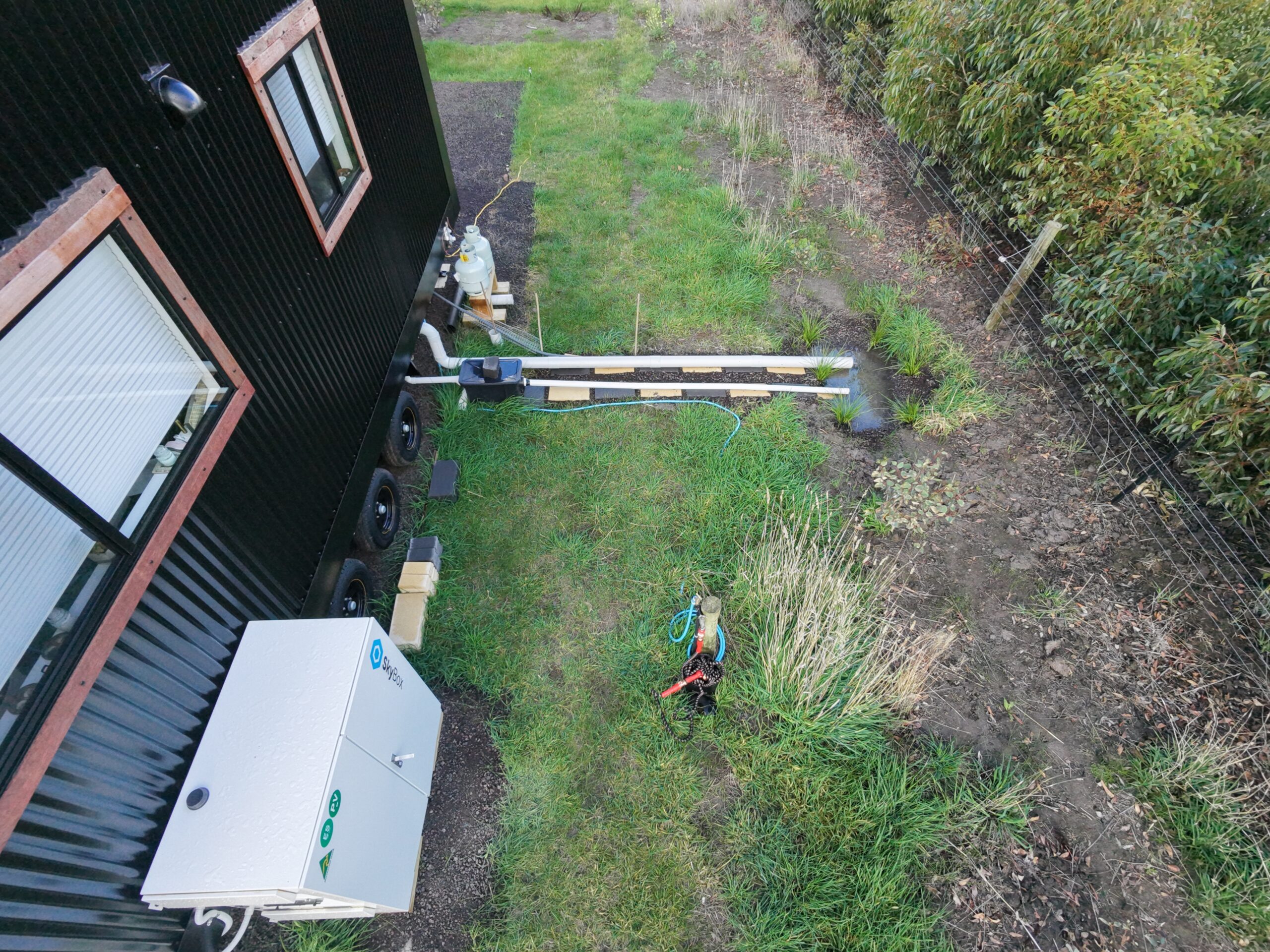
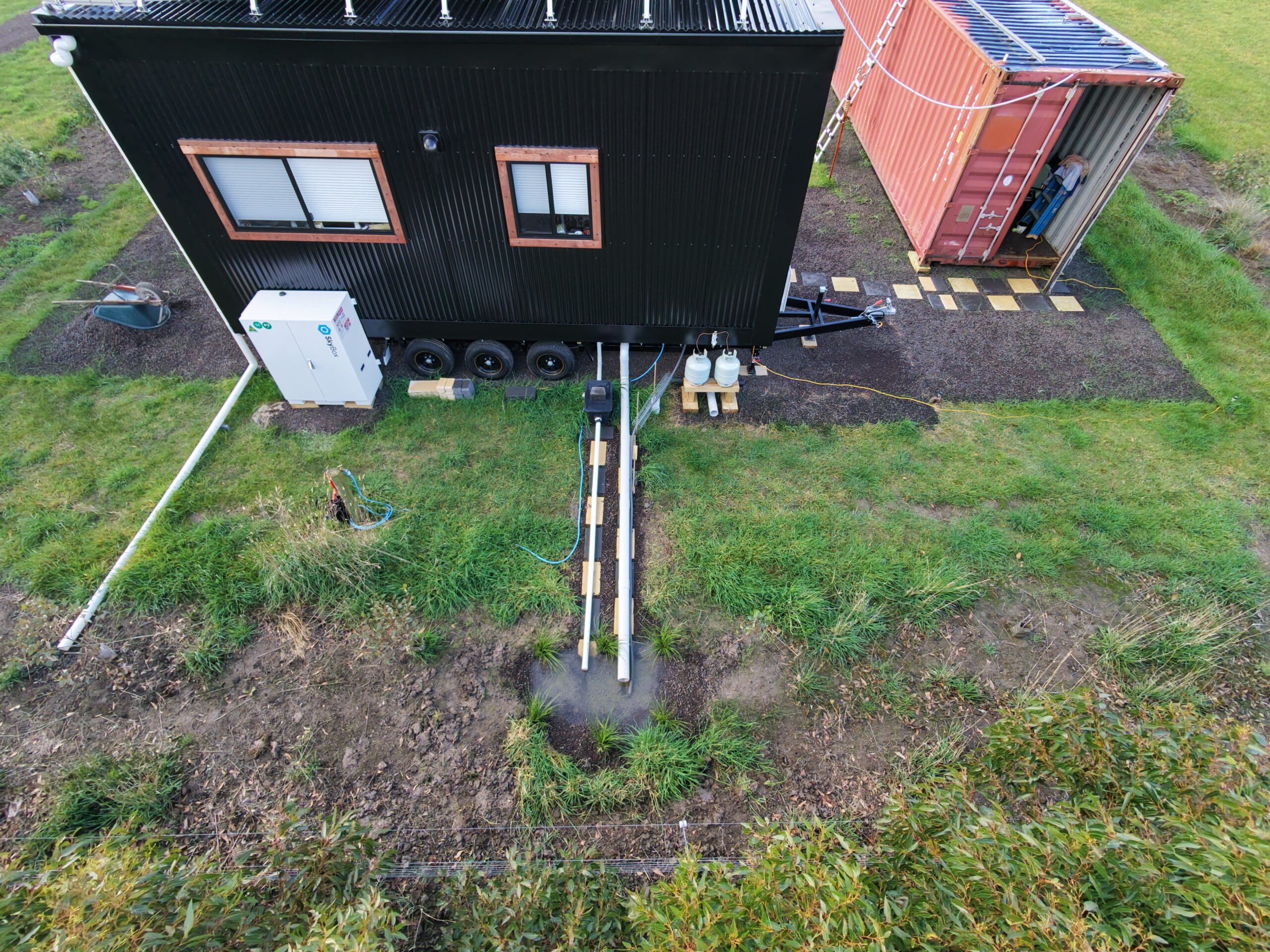
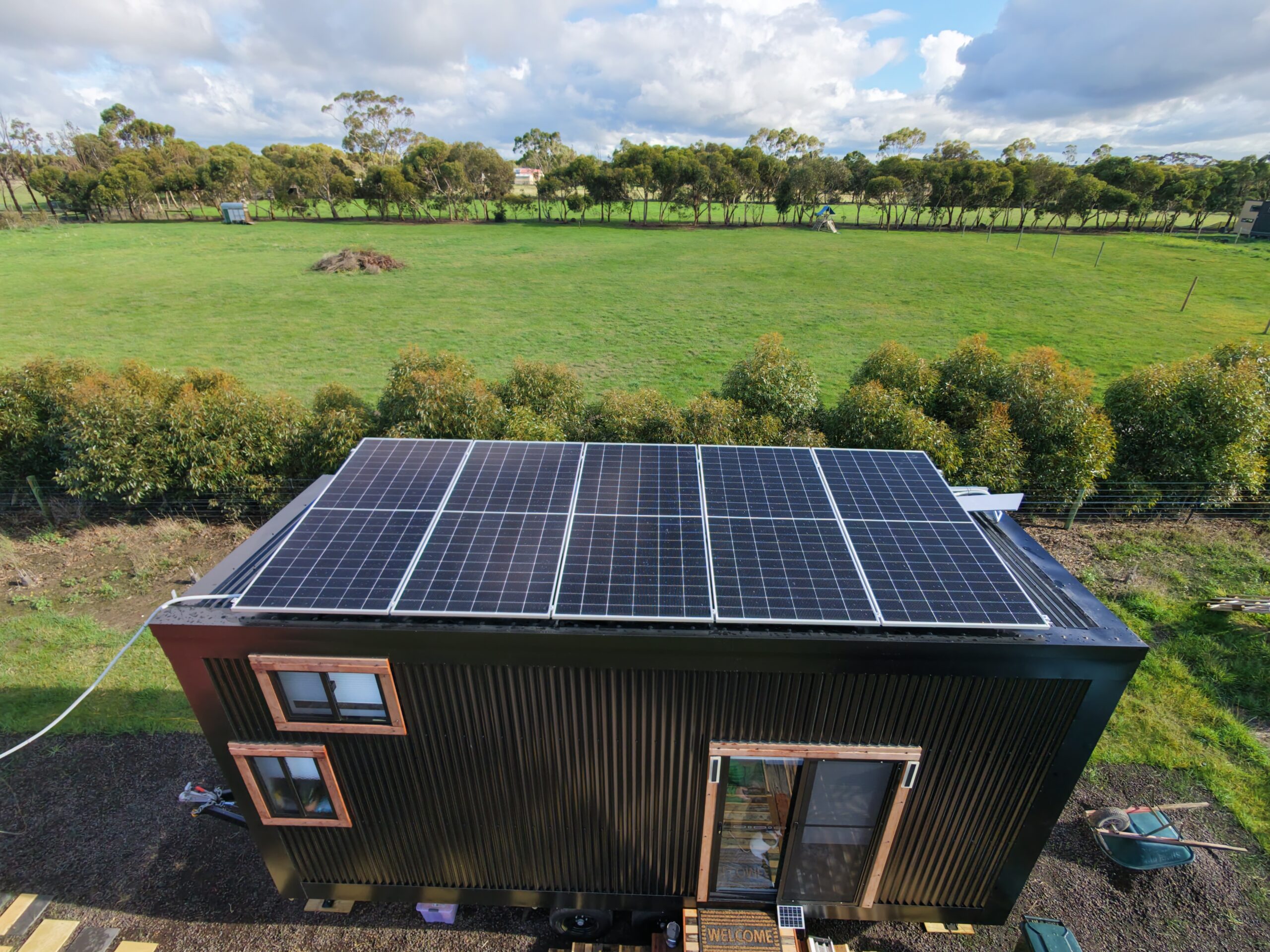
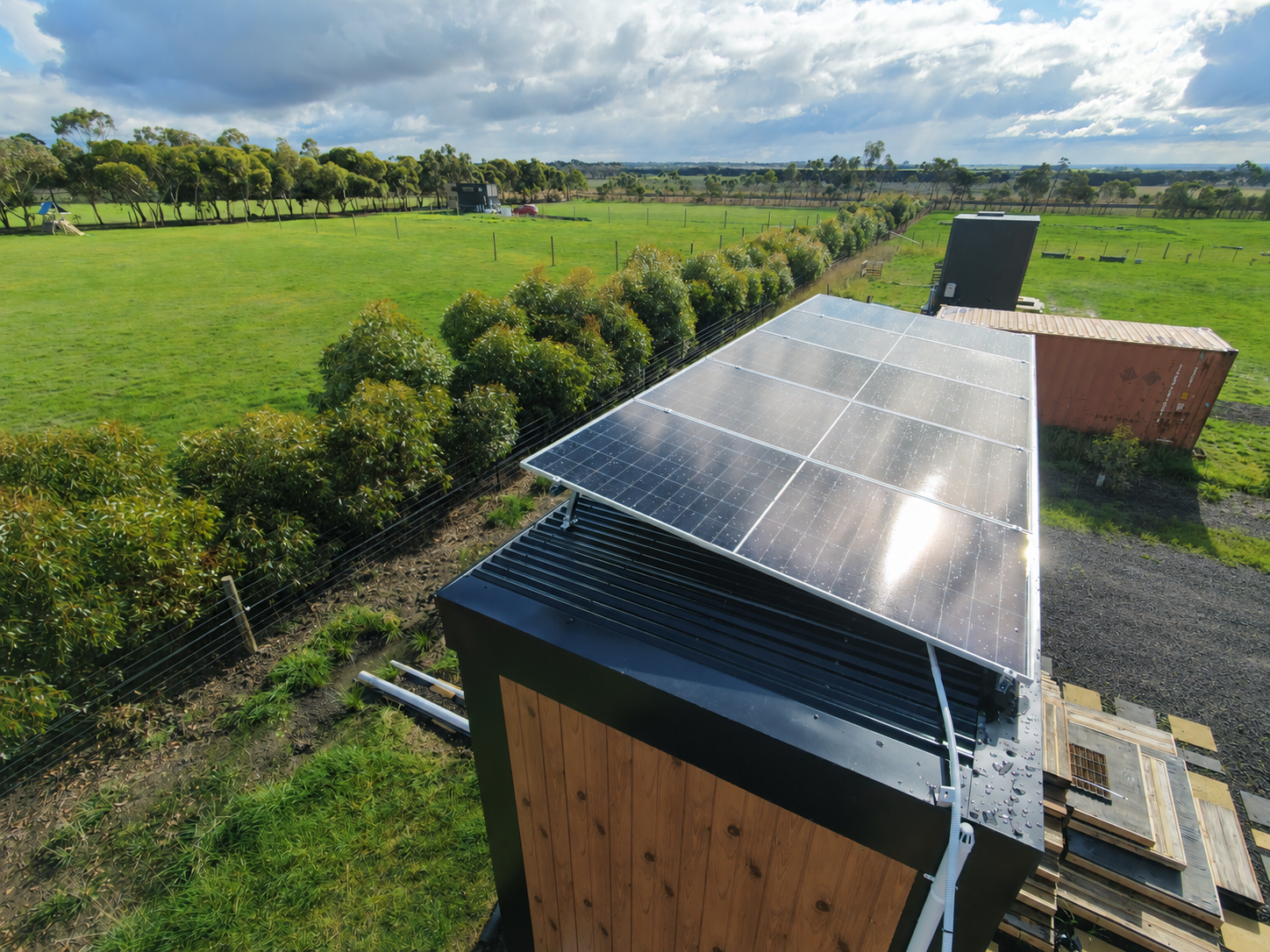
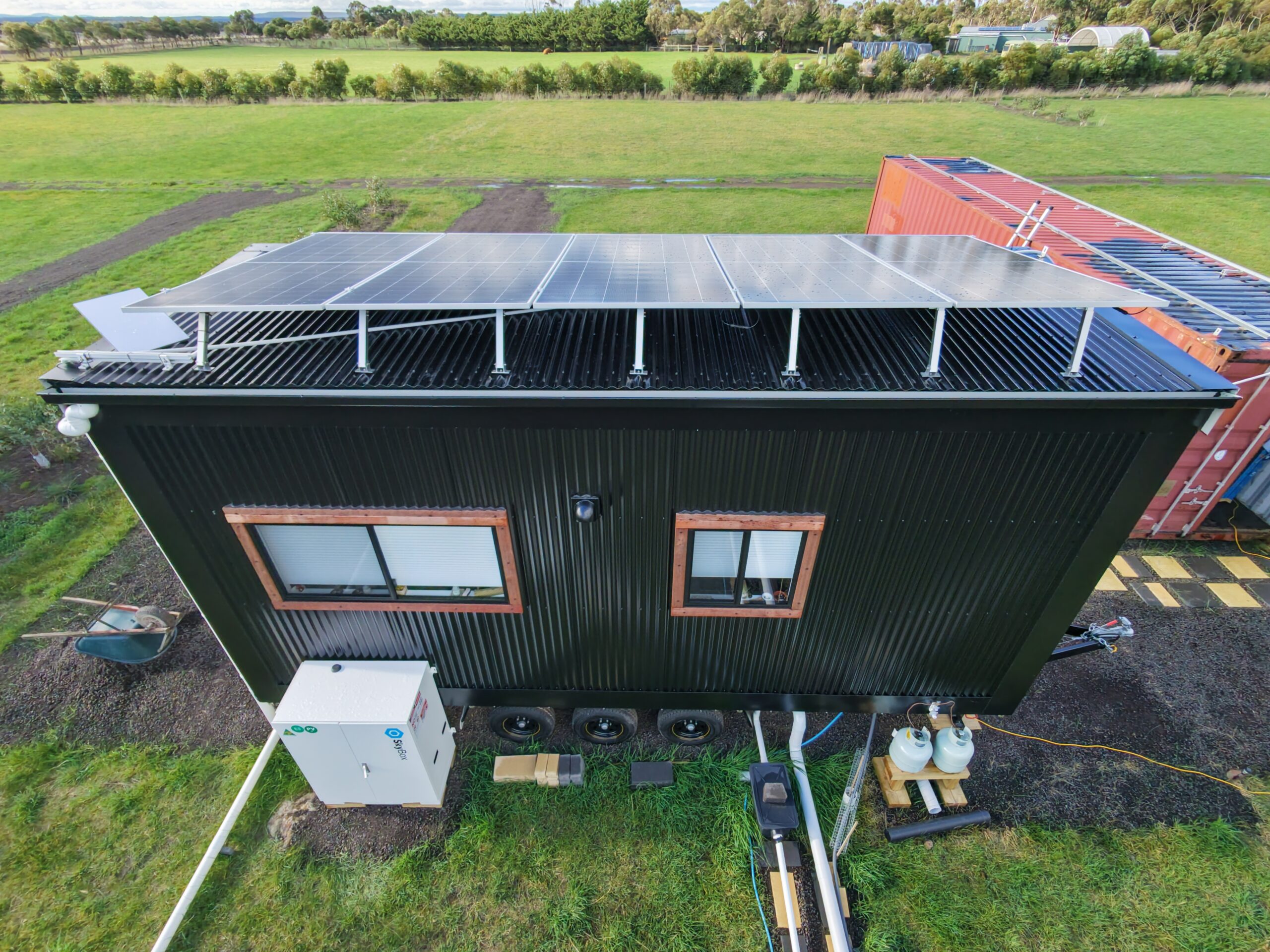
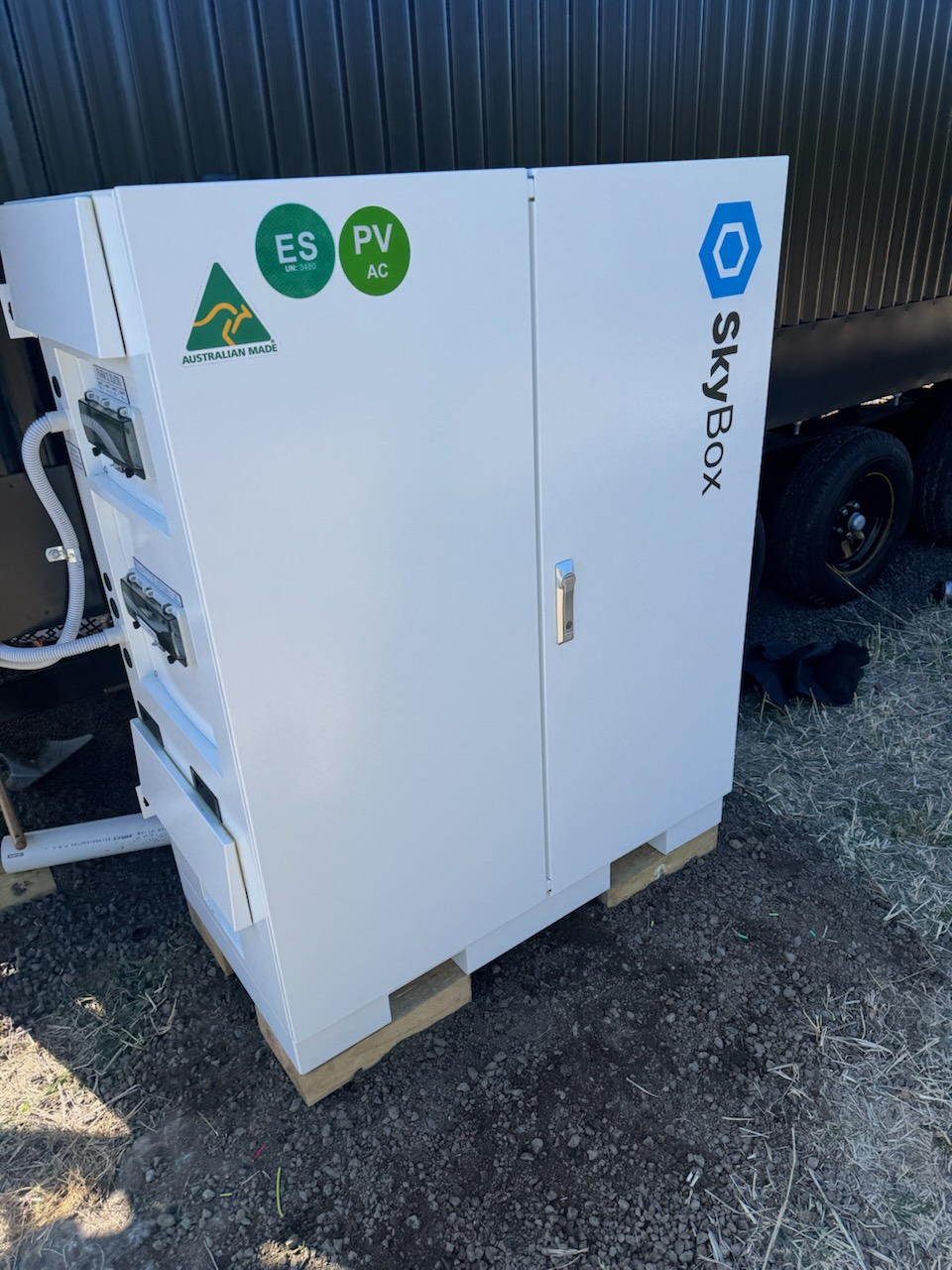
Solar and Power
The first power stage made CABO Solana functional as an off-grid proof build. This also created the foundation for later power expansion into CABO Haven.
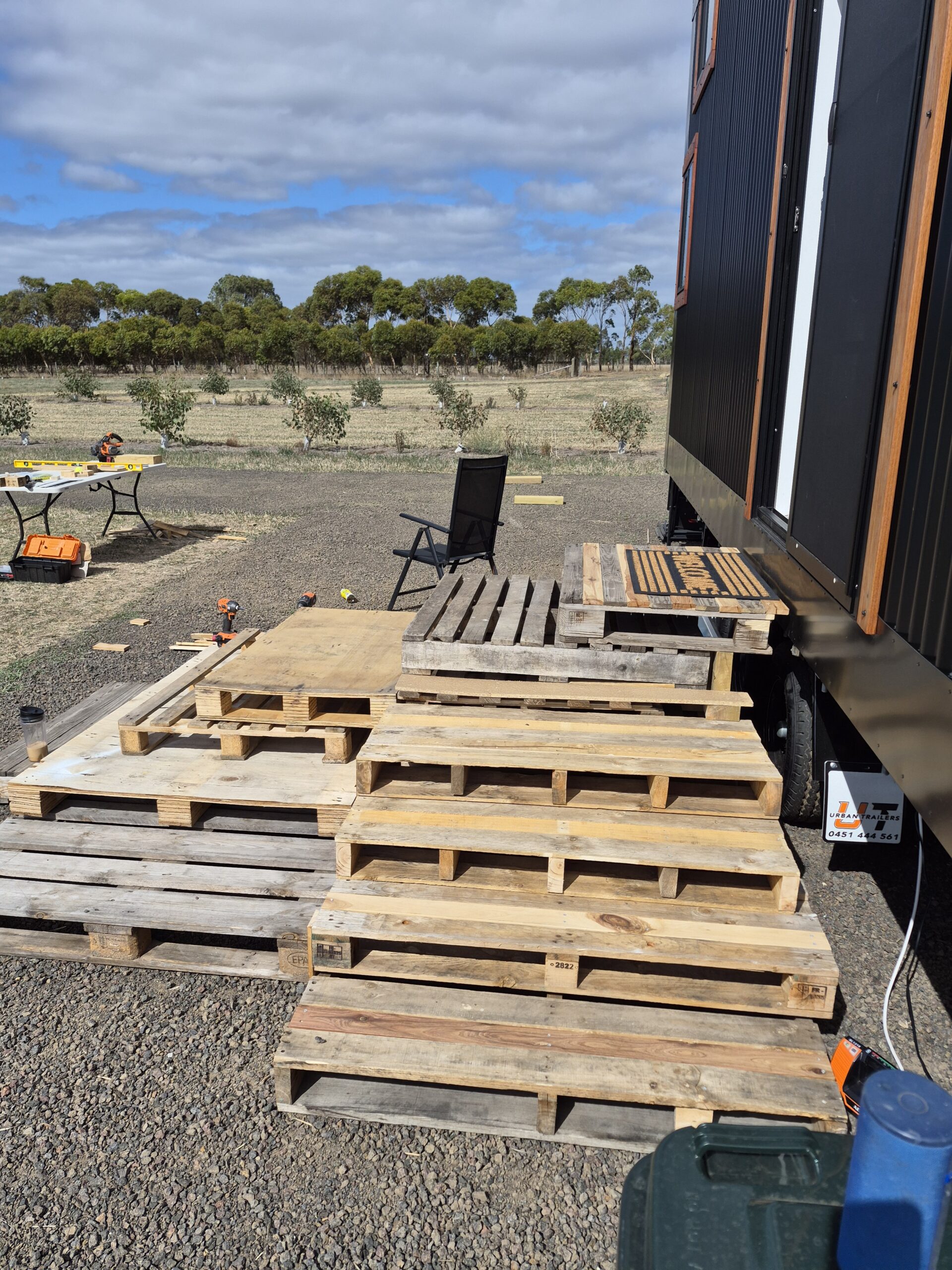
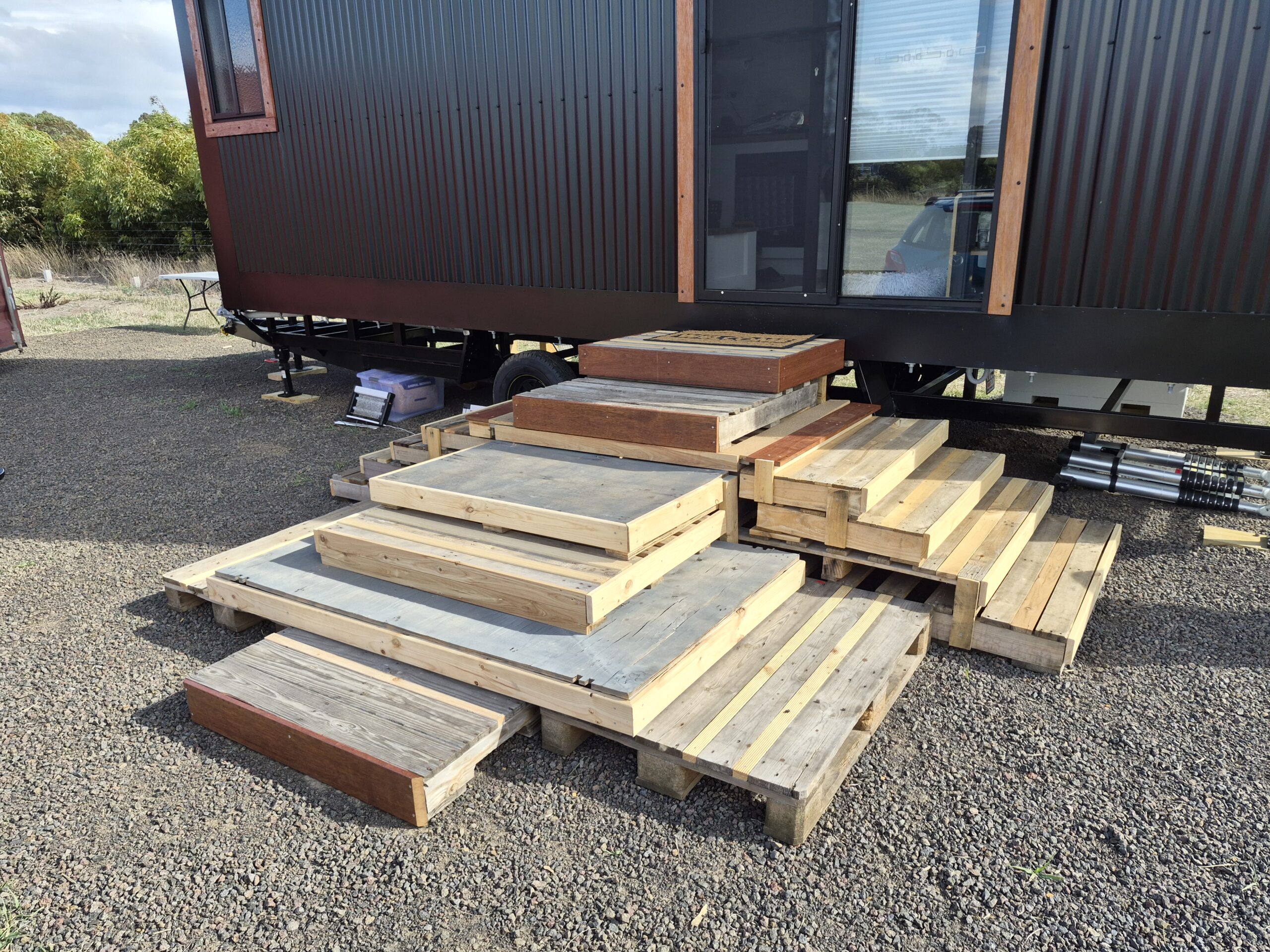
Entry Stairs
The access solution showed that a stronger and safer staircase was needed. The entry area evolved from a temporary approach into a more secure stair system that made CABO Solana easier to use day to day.

Outdoor Entry Area
The outdoor entry area became the first practical extension of the home. Rock, pavers, and available materials were used to create a usable porch-style space without waiting for a full deck build.
These after-placement changes showed that CABO Solana could not be understood as only a tiny home. The surrounding site became part of the home system.
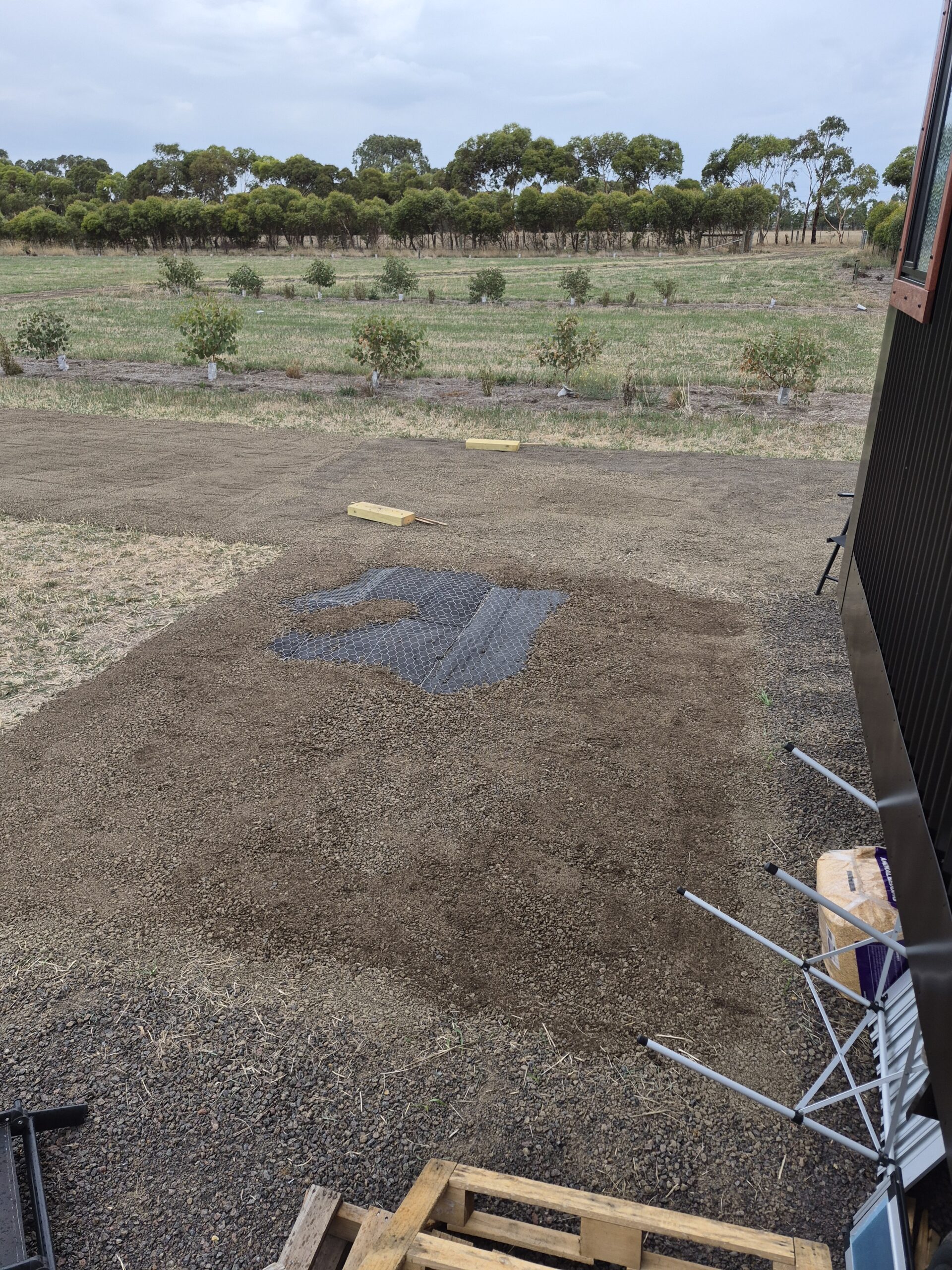
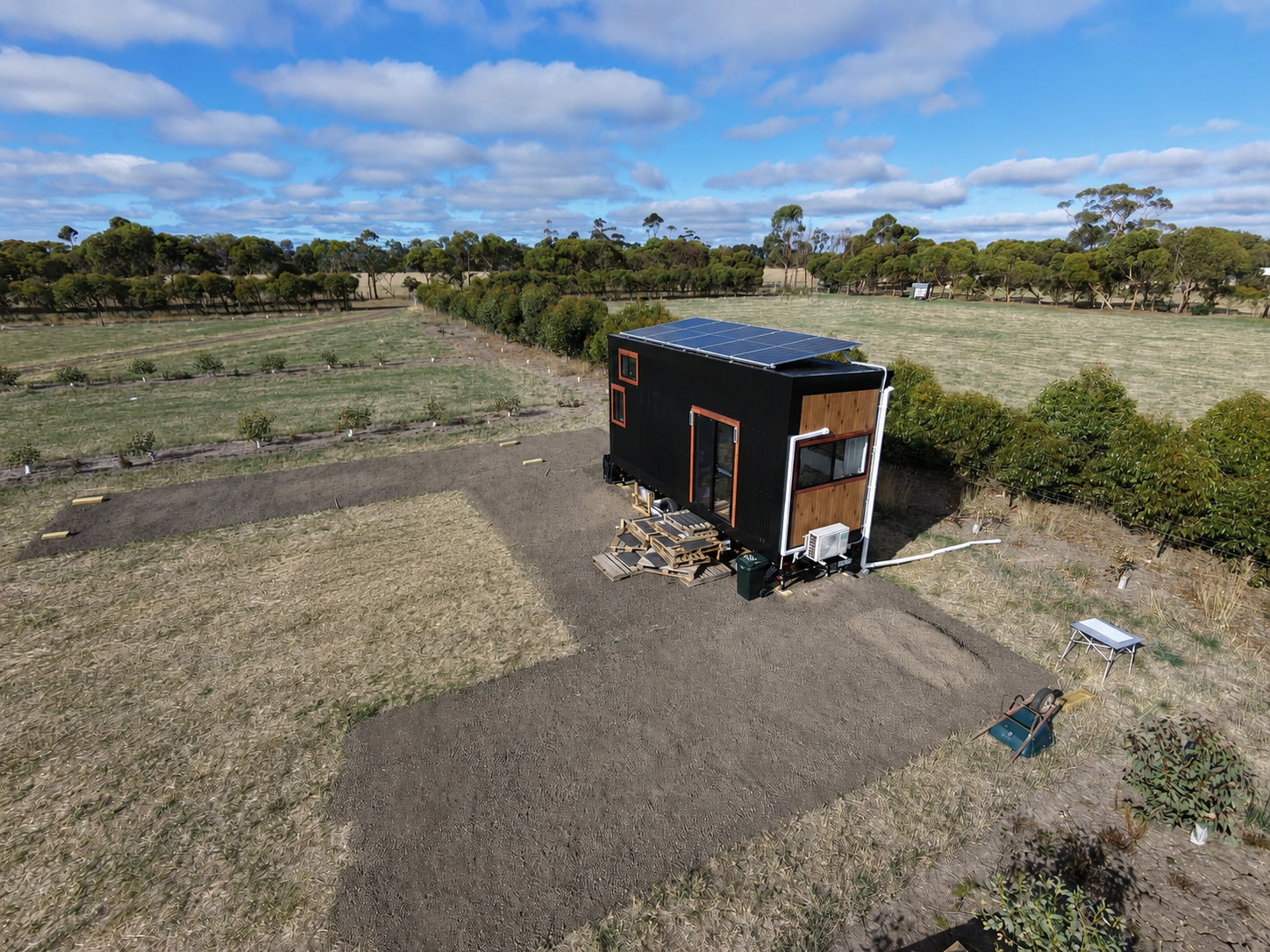
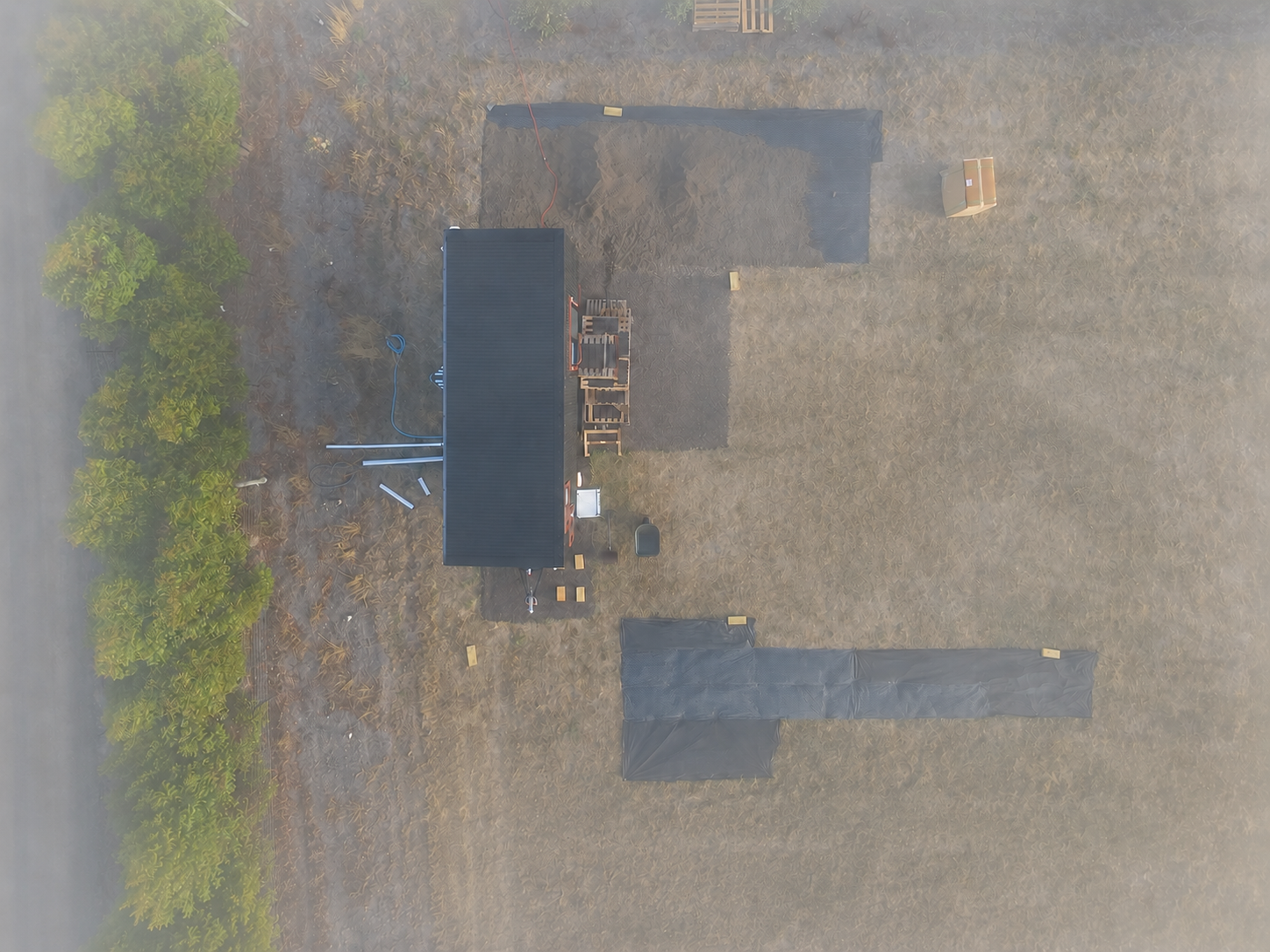
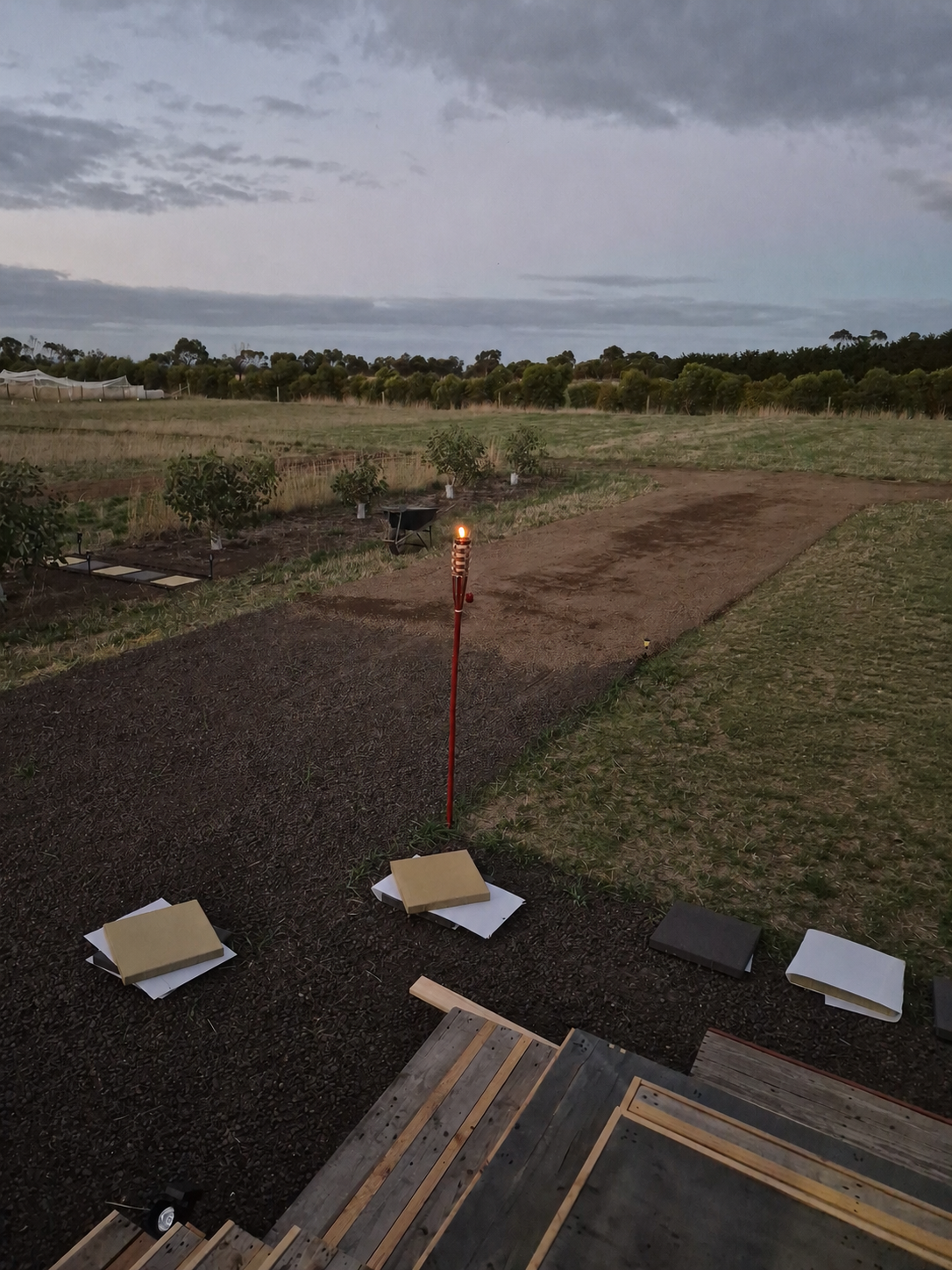
These after-placement changes showed that CABO Solana could not be understood as only a tiny home. The surrounding site became part of the home system.

The work completed after CABO Solana was placed became part of the practical learning behind FM DIRECT.
Power, grey water, drainage, access, stairs, outdoor setup, supplier choices, and site services are not separate decisions. They all affect whether a tiny home works properly once it is delivered and lived in.
FM DIRECT uses those real-world lessons to help buyers think through the connected decisions before they commit to a build, supplier, product, or site setup.
That same realisation became the starting point for CABO Haven, where the surrounding site begins to expand beyond the tiny home into storage, access, shelter, outdoor living, and future site systems.